
While the concept of retirement has evolved dramatically across generations, one thing remains constant for most of us planning our retirement – the desire to do what we want, when we want. No more alarm clocks, no more commuting and no more demanding bosses! But what do we want more of? Time on the golf course? Unrushed holidays exploring exotic locations? Those are just the basics; however, if retirement is looming, have you thought about what will happen when you stop working? Will you have those choices?

Here are a few points to consider, and it’s not just about money.

Your wealth

When preparing to leave the workforce, some people focus so much on never facing another stressful workday that they overlook many important issues.

The first and most obvious focus should be the income needed to fund the retirement dream.

For many people, retirement will deliver them the first real block of time they have ever had completely to themselves, to spend however they please. Some may want to travel, some may have hobbies they want to immerse themselves. Others may move closer to family or make a ‘sea’ or ‘tree’ change. Some may do all these things!

To make the most of your retirement years, your nest egg must be large enough to allow you to live the life you desire. It would be a shame to have a boring and unfulfilled retirement because you discover too late that you don’t have the means to afford activities your friends enjoy.

Your health

Secondly, many people plan for life beyond work, assuming they will remain healthy and vital. This will prove true for the majority, but sadly, others might not be as vigorous as they had hoped.

Illness will mean facing additional pharmaceutical and medical expenses. You may incur extra costs from travelling with mobility issues, assuming travel is still manageable. Aged care can be costly, especially where high-level care is required.

The key point to remember here is that while you are planning for your retirement financially, you also need to focus on your well-being now to ensure your mind, body, and spirit are willing and able to fulfil your retirement hopes and dreams. Balancing both aspects is fundamental to achieving a rewarding lifestyle.

Your happiness

But what can you do if you get bored with so much free time? One option could be to return to the workforce, perhaps part-time or casual. If approaching your former employer or business partner/s is not an option, try something different. You may be able to start a micro-business depending on your skill set. All you have to do is get creative when looking at your skills and abilities!

If you are a retired teacher, there are many opportunities, including working as a private tutor, providing after-school assistance, assisting sports teams, or even thesis proofreading for university students.

If accounting is your forte, use this skill to help small businesses manage their books.

Handy with tools and enjoy fixing things? You could find yourself in demand by those in your area who are working and have no time or skills to do odd jobs themselves. Place an advertisement on your local community board, online, or do a mailbox drop to get started.

Or, what about volunteer vacationing – “voluntouring”? If you’d like a travel experience with a difference, combine it with volunteer work. Sharing your interests with others or using your skills in a new way could certainly enhance your post-work years.

There is a plethora of websites that now focus on this latest interest. Just type “voluntourism” into your favourite search engine and be prepared to be amazed.

Your identity

Many people identify themselves according to their job title or profession. For this reason, retirement can leave you feeling like a piece of you is missing. But retirement can be a terrific opportunity to give up that old identity and reinvent a new you.

You can be a grandparent, sports enthusiast, volunteer, or book club president—the sky’s the limit!

In many ways, re-inventing yourself as a retiree can be as challenging as being a success in your previous vocation. The key is to establish your priorities, set goals that work for you, and keep going until you reach them. Remember, though, to keep it fun.

Have you planned your first step?

If all this sounds exciting, don’t forget the first step is to get your retirement funding in order. Come and talk to us sooner rather than later. Once that is done, you can start looking forward to the best years of your life.      

The information contained in this article is general information only. It is not intended to be a recommendation, offer, advice or invitation to purchase, sell or otherwise deal in securities or other investments. Before making any decision in respect to a financial product, you should seek advice from an appropriately qualified professional.  We believe that the information contained in this document is accurate. However, we are not specifically licensed to provide tax or legal advice and any information that may relate to you should be confirmed with your tax or legal adviser.
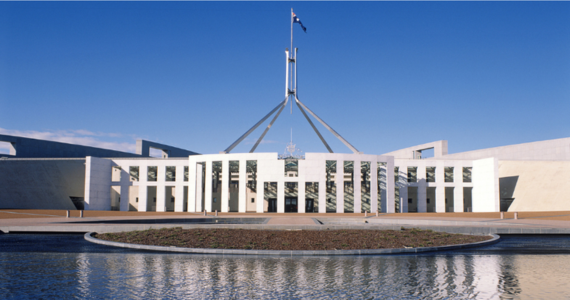

A recent study by leading Australian universities, Five Economic Themes That Will Dominate the Next Parliament1] has identified five economic themes shaping the next Parliament. While these represent significant shifts, they also create exciting new opportunities for smart investors and proactive financial planners.

Emerging opportunities

New global partnerships open investment doors. Australia’s strategic shift toward “friend-shoring”, strengthening trade with trusted allies, is creating opportunities in the resources, technology, and security sectors. This presents exciting prospects for investors who position their portfolios to benefit from Australia’s enhanced relationships with key partners.

Population growth drives long-term property demand. Australia’s robust 35% population growth over two decades (versus just 13% OECD average) continues to underpin strong housing demand. While policy adjustments may moderate the pace, Australia’s attractiveness to skilled migrants remains strong. This creates ongoing opportunities, particularly in well-located areas that benefit from infrastructure investment and population growth.

Productivity innovation creates market leaders. Australia’s focus on addressing productivity challenges is driving innovation across industries, from technology adoption to workforce mobility. Companies that successfully navigate this transformation could emerge as tomorrow’s market leaders. For investors, this creates opportunities to identify and benefit from the next generation of high-performing Australian businesses.

Fiscal responsibility strengthens economic foundation. Government’s focus on fiscal sustainability and reduced reliance on commodity price volatility is building a more stable economic foundation. This approach, combined with strategic budget management, creates a more predictable environment for long-term wealth building and retirement planning.

Intergenerational planning becomes more strategic. The emphasis on sustainable intergenerational outcomes is driving innovative solutions in housing, education, and wealth transfer. This creates opportunities for families to implement more sophisticated financial strategies that help younger generations build wealth while preserving family assets.

Positioning for success

These economic shifts aren’t just policy changes – they’re wealth-creation opportunities for those who plan strategically. By understanding these trends early, you can:

  • Diversify into emerging sectors before they reach mainstream recognition
  • Time property investments to align with infrastructure and population growth
  • Identify productivity-driven companies positioned for long-term success
  • Structure investments to benefit from stable, sustainable economic policies
  • Implement intergenerational wealth strategies that adapt to changing conditions

The question isn’t whether these changes will create opportunities, but how well-positioned you’ll be to capitalise on them.

Call us today to find out more.

The information contained in this article is general information only. It is not intended to be a recommendation, offer, advice or invitation to purchase, sell or otherwise deal in securities or other investments. Before making any decision in respect to a financial product, you should seek advice from an appropriately qualified professional.  We believe that the information contained in this document is accurate. However, we are not specifically licensed to provide tax or legal advice and any information that may relate to you should be confirmed with your tax or legal adviser.

1 https://www.unsw.edu.au/newsroom/news/2025/03/major-economic-policy-shifts-needed-to-navigate-new-global-order-report

The Age Pension increased, and previously frozen deeming rates rose by 0.5% last month on 20 September 2025.

The increase in the Age Pension is due to indexation and represents the most significant rise for pensioners in two years. However, some pensioners will see this increase absorbed by the rise in deeming rates.

The Age Pension increased by $29.70 a fortnight for singles and $44.80 for couples combined. This sees singles receive $1178.70 per fortnight, up from the previous $1149, while couples now receive $1777 per fortnight instead of $1732.20. The Age Pension is due to be indexed again in March 2026.

At the same time, deeming rates increased by 0.5% after being frozen at 0.25% and 2.25% since July 2020. The deeming rate is now 0.75% for singles with financial assets of less than $64,200 and $106,200 for couples. The deeming rate increased from 2.25% to 2.75% for those with financial assets above those thresholds.

The above changes also apply to recipients of Disability Support Pension and Carer Payment.

In August, National Seniors Australia estimated that some 470,000 people who currently qualify as part-rate pensioners under the income test will be impacted by the deeming rate change. Analysis by the University of Sydney’s Susan Thorp shows that about 4.5 million Australians receive an Age Pension. This equates to about 64% of Australians aged over 64. Of these, 25% will see their payments change due to deeming.

Check if this will impact you.

The information contained in this article is general information only. It is not intended to be a recommendation, offer, advice or invitation to purchase, sell or otherwise deal in securities or other investments. Before making any decision in respect to a financial product, you should seek advice from an appropriately qualified professional.  We believe that the information contained in this document is accurate. However, we are not specifically licensed to provide tax or legal advice and any information that may relate to you should be confirmed with your tax or legal adviser.

A successful retirement isn’t just about having your finances in tip-top shape; good health and wellbeing are also key to being able to enjoy your retirement years. Here are some handy tips for a healthier, more active life in retirement:

  1. Undertake regular health checks and keep up-to-date with your vaccinations.
  2. Maintain a healthy body weight to help avoid diabetes, hypertension and elevated lipids.
  3. Eat a healthy diet with plenty of vegetables, minimise red meat, drink lots of water, and practice good oral hygiene.
  4. Participate in aerobic exercise. Check with your doctor and aim for 150+ minutes of moderate intensity or 75+ minutes of vigorous activity weekly.
  5. Use body weight and functional exercises to help maintain muscle mass.
  6. Stretch and do functional movement exercises or yoga to maintain flexbility.
  7. Ensure your home is age-friendly by removing fall hazards, improving lighting and accessibility.
  8. Develop an anti-stress regimen such as meditation or ‘forest bathing’.
  9. Consider getting a pet to provide companionship and encourage activity.
  10. Maintain strong social connections with family, friends and community.
  11. Practice gratitude and maintain a sense of purpose.
  12. Engage in hobbies that align with your values and interests.
  13. Optimise your brain function through lifelong reading and learning, puzzles, games, learning a language, or a musical instrument can help.
  14. Get adequate sleep and maintain a consistent sleep schedule.

The information contained in this article is general information only. It is not intended to be a recommendation, offer, advice or invitation to purchase, sell or otherwise deal in securities or other investments. Before making any decision in respect to a financial product, you should seek advice from an appropriately qualified professional.  We believe that the information contained in this document is accurate. However, we are not specifically licensed to provide tax or legal advice and any information that may relate to you should be confirmed with your tax or legal adviser.

More Australians are exploring reverse mortgages – but it’s not easy

If you’re approaching retirement or already enjoying it, you might have heard more talk lately about reverse mortgages. You’re not alone in your curiosity – a recent study by Seniors First found that inquiries about reverse mortgages have jumped by 300% in just two years.

The idea may appeal – tap into the equity you’ve built up in your home without having to sell it. However, the process can be confusing, often leading to costly mistakes.

Why Is It So Complicated?

The short answer? There are too many options and not enough clear information. Seniors First looked at Australia’s top four reverse mortgage providers and found over 150 different variables. That’s a lot to wrap your head around!

Many of the rules and eligibility requirements aren’t publicly available, which makes it even harder to figure out on your own.

The reverse mortgage market is more complex than ever. This complexity can be overwhelming for many over-60s who are simply trying to access the equity in their homes, without making a costly mistake.

Every Situation Is Different

There’s no “one-size-fits-all” reverse mortgage. What works for your next-door neighbour might not be right for you. Your age, home’s value and location, financial goals, and family situation all play a role in determining the best option.

Getting the Right Help

The good news? You don’t have to navigate this alone. Two types of professionals can make this process much more transparent and safer for you.

Mortgage Brokers who specialise in reverse mortgages understand the “hidden” components. A good broker will:

  • Compare options from multiple lenders
  • Explain the differences in plain English
  • Help you understand the true costs and long term implications
  • Find features that match your specific needs

Financial Planners can help you see the bigger picture. We can look at your overall retirement strategy and help you understand:

  • Whether a reverse mortgage fits your long-term goals
  • How it might affect your pension or other government benefits
  • What alternatives might work better for your situation
  • How to structure your finances to best suit your needs

What about the Home Equity Access Scheme?

The government’s Home Equity Access Scheme may be an alternative to a reverse mortgage if you and your partner are looking to supplement your retirement income.

This scheme lets older Australians who are Age Pension age or older get a voluntary non-taxable loan from the government. You need to use equity in Australian real estate as security for the loan.

Visit https://www.servicesaustralia.gov.au/home-equity-access-scheme to find out more and discuss your personal circumstances with your financial planner.

Moving Forward Safely

Consider your options carefully; this is a significant financial decision that will affect your retirement and potentially your estate.

Speaking with qualified professionals can help ensure you make the right choice for your circumstances, in a way that supports your retirement dreams while protecting your financial security.

The information contained in this article is general information only. It is not intended to be a recommendation, offer, advice or invitation to purchase, sell or otherwise deal in securities or other investments. Before making any decision in respect to a financial product, you should seek advice from an appropriately qualified professional.  We believe that the information contained in this document is accurate. However, we are not specifically licensed to provide tax or legal advice and any information that may relate to you should be confirmed with your tax or legal adviser.

Key points

The major themes dominating markets are:

  • Slowing economic growth in the developed world, primarily due to President Trump’s ongoing global tariff war, continuing geopolitical tensions, rising budget deficits and government debt.
  • Investor sentiment has recovered from depressed levels in April to euphoric levels as investors anticipate positive outcomes to tariff negotiations and interest rate cuts.
  • Global market share indexes are expected to reflect increased earnings from stocks other than the Mag7 in late 2025 and 2026.
  • Opportunities continue away from the US, e.g. Australia, Europe, the UK, Japan and emerging markets.

The year so far

The 3 months to 31 July were a complete contrast to the negative returns on all share indexes reported for the 3 months to 30 April. Share market sentiment believes that the US administration will continue negotiating tariffs, and interest rates will fall in the developed world.  Europe and the UK are benefitting from increased stimulus for defence and infrastructure spending.

Returns of major asset classes to 31 July 2025

Asset Class %

3 months

6  months

1 year

Ann.3 year

Ann. 5 Year

Ann.10 year

Global Shares in USD

12.1

8.2

16.4

15.8

13.3

10.6

Global Shares in AU

11.4

4.8

18.1

19.0

15.8

12.1

US Shares in AU

13.5

2.4

18.0

20.3

18.4

15.2

Emerging Markets in AU

12.2

12.2

19.6

14.0

8.2

7.6

Australian Shares

8.2

4.2

11.8

12.3

12.3

8.7

Australian Small Companies

9.7

4.7

11.5

7.1

7.7

7.8

Australian Listed Property

10.4

4.6

10.2

12.3

13.0

8.1

Australian Bonds

0.9

3.7

5.2

2.7

-0.2

2.2

Global Bonds (Hedged AUD)

0.4

2.1

3.3

1.4

-0.9

1.9

Returns for all asset classes were positive for the 3 months to 31 July. The returns for 12 months were very strong across all asset classes. The returns for global shares over 3 years were exceptional, driven by US equities that have provided unprecedented returns of over 20% each year. Over one year, Australian bonds outperformed both global bonds (hedged) and the cash rate.

Outlook for economies and markets

The IMF produced the following forecasts last month in its World Economic Update.

IMF World Economic Outlook Projections July 2025


2023

2024

2025

2026

World Output

3.5

3.3

3.0

3.1

Advanced Economies

1.8

1.8

1.5

1.6

United States

2.9

2.8

1.9

2.0

Euro Area

0.5

0.9

1.0

1.2

Emerging / Developing Markets

4.7

4.3

4.1

4.0

Australia

2.1

1.0

1.8

2.2

The forecasts show very anemic world growth for 2026. Nevertheless, advanced economies led by the US have slowed from 2023/4 levels. The growth in the Eurozone varies considerably by country. Australia is expected to improve modestly to 2.2% and Emerging Markets are anticipated to show the highest growth, led by India and China.

However, the International Monetary Fund points out that the risks to growth are skewed to the downside, with the level of US tariffs being the primary concern. 

The issue facing investors is that valuations for global share markets are at highly elevated levels, with the Australian and the US being at the highest levels in 20 years. While earnings growth continues to be strong, the impact of the US tariffs in the second half of 2025 will challenge markets.

Conclusion

Our preferred approach in times of uncertainty remains:

  • Continue to be diversified by asset classes.
  • Incorporate active management.
  • Bonds and high-quality credit for income and stability.
  • Regular rebalancing to maintain target allocations.

The information contained in this article is general information only. It is not intended to be a recommendation, offer, advice or invitation to purchase, sell or otherwise deal in securities or other investments. Before making any decision in respect to a financial product, you should seek advice from an appropriately qualified professional.  We believe that the information contained in this document is accurate. However, we are not specifically licensed to provide tax or legal advice and any information that may relate to you should be confirmed with your tax or legal adviser.

Estate planning can be difficult and stressful, but for blended families, there’s an added overlay of complexity.

According to the Australian Institute of Family Studies1, blended- and step-families make up around 12% of Australian families with dependent children, and there are almost 16% single-parent families. For these families, ensuring every person is treated fairly is a significant challenge, where the needs of the current spouse, shared children, and children from previous relationships must all be considered.

To avoid legal problems and damaged relationships, adequate planning is essential.

It begins with an open and honest communication with family members, which, while uncomfortable, can help prevent misunderstandings and potential disputes after you’re gone.

A financial or estate planning professional can help you work through the legal process and even facilitate difficult conversations.

The Australian legal system provides the following tools to support blended families and ensure your wishes are honoured.

Wills

A professionally-drafted Will is the main element in any estate plan, enabling you to specify how assets are to be distributed.

For blended families, ambiguity must be avoided so a well-written Will ensures your wishes are clearly articulated.

Mutual Wills

Mutual Wills are used by couples who agree that their Will won’t change if one partner dies. They are handy when children are involved because they offer reassurance that children from previous relationships are included in an inheritance.

While many couples find Mutual Wills are the perfect planning solution, they can also be inflexible and surviving partners may be restricted from using or selling some of the assets, particularly if they remarry.

Testamentary Trusts

A Testamentary Trust is created as part of a Will, coming into effect after your death.

They provide control over your estate by managing asset distribution and avoiding family disputes or creditor claims.

Testamentary Trusts are helpful when children are involved, ensuring their inheritances and assets are protected.

On the downside, they can be costly, complex to set up and administer, and legal advice is imperative.

Binding Financial Agreements (Prenup/Postnup)

Binding Financial Agreements (BFAs) are agreements drawn up prior to a marriage (prenup) or after the marriage (postnup).

They aim to clarify expectations regarding property ownership and financial arrangements to avoid future disagreements or claims on the estate by a surviving spouse.

BFAs can offer the couple a sense of security and clarity and are useful in protecting assets; however, as they are relatively new to Australia, the law around them is still evolving.

As a result, they can be overturned by a Family Court if you do not receive appropriate legal advice or the agreement was not properly drafted.

Additionally, they don’t always allow for future changes such as children not yet born, or variations to income or health.

Ultimately, of course, when drafting any estate plan, it’s important that you think carefully about how each member of a blended family is considered – not just now, but into the future.

There are several ways to structure your Will. For example, you might allocate a percentage to each beneficiary or distribute specific assets to individuals. Whatever you decide, be certain to document your rationale behind all your decisions.

Seek professional guidance to reduce confusion and support you in determining the best tools for tailoring an estate plan that reflects your family’s unique situation.

Peace of mind comes with knowing your family’s future financial security will be managed, but it’s important to note that no estate plan is a set-and-forget.

Regular reviews are essential as family circumstances rarely stay the same. Marriages begin and end, children are born, grow up, and have their own families.

Your estate plan should be revised at least every couple of years and especially after any major life event.

Estate planning for blended families can be complicated. However, with planning, professional advice and thoughtful conversations, you can be confident that your loved ones will be protected.

The information contained in this article is general information only. It is not intended to be a recommendation, offer, advice or invitation to purchase, sell or otherwise deal in securities or other investments. Before making any decision in respect to a financial product, you should seek advice from an appropriately qualified professional.  We believe that the information contained in this document is accurate. However, we are not specifically licensed to provide tax or legal advice and any information that may relate to you should be confirmed with your tax or legal adviser.

1 https://aifs.gov.au/research/facts-and-figures/families-and-family-composition

When it comes to helping your children or grandchildren get a financial head start in life, there are many options available. However, your generosity could create tax issues down the track. Here are a few ways you could help give your kids a financial head start, preferably without putting your finances at risk.

Education

If you want to guarantee that money invested for a specific purpose in your child’s life is used for that intention, there are several ways to ensure this happens.

When you look around, there are plenty of investment products aimed squarely at helping parents save for education. Education funds are often referred to as “Education Savings Plans”. These funds can be set up to transfer to the child’s name at an age specified by you. Many charge minimal fees, and the money can be used to pay for books and uniforms, repay HECS debts, and even purchase musical instruments and lessons.

Alternatively, you may look at investment bonds. Investment bonds are a type of insurance policy primarily used as an investment vehicle. Available from a range of providers, investors can choose from a suite of underlying investments in much the same way as regular managed funds. Investment bonds shouldn’t be confused with interest-paying government or corporate bonds. They are a unique type of asset offering a range of advantages.

As a form of life insurance, if the owner dies, the proceeds will be paid directly to nominated beneficiaries. The money doesn’t go through the estate and can be paid out quickly. In addition, the proceeds are not taxable in the hands of the beneficiaries, even if the bond is less than 10 years old. Allowing for relevant tax rates, they may also be a good vehicle for saving for a child’s education or other long-term goal.

Home ownership      

Due to the increasing difficulty faced by many young Australians in saving enough to afford their first home, assistance from family members is becoming more common. A facility is available that enables parents to help with the purchase at no direct cost to themselves. The “family guarantee” loan allows parents, or another family member, to use their own home as security on a portion of their child’s mortgage, generally to increase their deposit amount.

If you choose to act as a guarantor, be aware of the implications. For example, you may be responsible for the entire loan if your offspring cannot meet repayments. Or even worse, if they default on the loan and the lender sells the property at a loss, you may be at risk of losing your own home.

Another option that places less risk on your assets is to lend your child money to make their deposit. Combining a parent’s loan with the first homeowner grant can substantially impact the life of the mortgage.

Accessing tax breaks

Parents may be aware of the value spreading income across family members may have when it comes to tax time. But beware. The Australian Tax Office ensures money is not placed in children’s names, purely to give Mum and Dad a tax break. For this reason, it applies more aggressive tax rates for passive income invested in the name of a person under age 18. So, when setting up any investment in this way, make sure you check with your adviser first.

The key to giving your kids a leg-up is to have a clear objective before you start. With so many options available, it can get confusing, so be sure to ask us for professional advice.       

The information contained in this article is general information only. It is not intended to be a recommendation, offer, advice or invitation to purchase, sell or otherwise deal in securities or other investments. Before making any decision in respect to a financial product, you should seek advice from an appropriately qualified professional.  We believe that the information contained in this document is accurate. However, we are not specifically licensed to provide tax or legal advice and any information that may relate to you should be confirmed with your tax or legal adviser.

A financial strategy isn’t something you should set and forget. Life moves, circumstances change, the economy shifts, and what once worked may not be as effective as it used to be. It’s good to regularly check in on your financial progress and consider whether your current approach is still the right fit.

Life changes, and so should your plan

Major life events like a new job, buying a property, paying off debts, growing your family, or nearing retirement can all affect your financial needs and goals. Changes such as a pay rise, changes in spending habits, or paying off a loan can impact your overall financial position. Regularly reviewing your strategy helps make sure it still aligns with where you are now, not where you were a year or two ago.

Economic conditions evolve

Interest rates, inflation, and government policy can all influence your financial outcomes. For example, changes in borrowing costs may affect how much you can comfortably repay on a mortgage, or how attractive investment options appear. A financial strategy that was set during one economic climate might not perform as expected when conditions shift.

Markets are always moving

Investment markets are dynamic. They rise, fall, and sometimes stay flat. While long-term strategies are designed to ride out these ups and downs, your risk tolerance, income needs, or investment timeline might change over time. Reviewing your strategy can help make sure your investments still suit your goals and comfort level.

Progress isn’t always linear

Everyone experiences periods of progress and setbacks. You might be ahead on your savings goals, or perhaps things didn’t go to plan this year. Knowing where you stand gives you the information needed to make adjustments. It could mean staying the course, rebalancing your investments, or setting new goals for the year ahead.

Small tweaks can make a big difference

A financial review doesn’t always lead to major changes. In many cases, it’s about fine-tuning what’s already in place; adjusting contributions, refining your goals, or updating documents. These smaller, but important, changes can help keep your strategy aligned with your life and financial goals without requiring a complete reset.

Practical steps to consider

There are a few key areas where a simple review can help keep your finances on track. For example:

  • If your spending habits have changed, reviewing your household budget can help ensure your day-to-day money management still supports your longer-term plans.
  • If your family circumstances have changed, it may be worth reviewing your life and disability insurance to ensure it still provides adequate protection.
  • If you had a pay rise recently, you may wish to review your income protection cover and how best to address the surplus income.
  • If it’s been a while since you looked at your superannuation, check whether your investment strategy reflects your current stage of life and tolerance towards risk – especially as global market shifts continue to impact returns.
  • You might also want to revisit your estate planning, including wills and beneficiary nominations, to make sure everything is up to date.

These reviews don’t need to be time-consuming, but they can make a big difference over time.

If it’s been a while since you reviewed your strategy, consider speaking with your adviser to make sure you’re on track for the year ahead.

The information contained in this article is general information only. It is not intended to be a recommendation, offer, advice or invitation to purchase, sell or otherwise deal in securities or other investments. Before making any decision in respect to a financial product, you should seek advice from an appropriately qualified professional.  We believe that the information contained in this document is accurate. However, we are not specifically licensed to provide tax or legal advice and any information that may relate to you should be confirmed with your tax or legal adviser.

If the daily grind is starting to feel a lot like Groundhog Day, if boredom, burnout, or a hunger for purpose keeps nudging you. You’re not alone. A recent SEEK survey found 57 % of Gen X workers would choose a different career if they had their time again.

Yet most stay put. Why? Two big stories we tell ourselves: “It’s too late to start over” and “I can’t afford the financial risk.” 

So, how can you address these concerns and tackle them, instead of letting them dictate the rest of your working life.

Exploring Your Late-Career Change Options

If you’re thinking about making a career change, start by asking yourself this one question: Why do I want this change?

Are you craving flexibility, fresh challenges, deeper purpose, or something else entirely?

Write your answer in a single sentence and keep it where you can see it. With your ‘why’ in clear view, it’s time to explore the “how.” The five practical pathways that follow are designed to spark ideas and show you how, with a little creativity, you can reimagine your career on your terms, without derailing your future.

  1. Lateral Shift – same industry, fresh seat

The quickest reinvention can be right under your nose: moving sideways into a new function or business unit.

Why it works: You keep your sector knowledge but swap the tasks that bore you for ones that light you up.

Try this: Ask for a “stretch project” in the area that interests you, then request an internal secondment once you’ve proved your chops.

  1. Portfolio Career – mix, match & monetise

A portfolio career blends part-time employment, freelancing, and passion projects so no single gig needs to meet every need.

Why it thrills: Variety kills boredom, protects income streams, and lets you test-drive new interests before leaping fully.

Try this: Draft an “ideal week” grid, block two days for consulting, two for part-time employment, one for a passion micro-business, then pilot it during annual leave.

  1. Entrepreneurial Play – build your own thing

Tapping decades of know‑how, many Gen X‑ers are turning their hard‑won experience into profitable ventures—consulting gigs, e‑commerce stores, digital products, you name it.

Lean launch tips: Start small. Validate demand with a one-page website and a paid pilot. Use gig-platforms (Upwork, Fiverr Pro) to land first clients without quitting your day job.

Try this: Write a 100-word “value proposition” and mention it to three contacts this week for instant market research.

  1. Sabbatical or Gap Year – strategic time-out

Sometimes the smartest career move is to pause.

Why it works: A planned break, whether for study, travel or simply breathing space, lets you reset your energy and perspective. Many return with fresh skills or a renewed love for their existing field; others gain the clarity needed to pivot.

Try this:

  1. Check your long-service or unpaid-leave entitlements and confirm how a break affects super and insurance.
  2. Draft a sabbatical budget that covers living costs plus any course fees or travel.
  3. Set one intention for the time out (e.g., finish a micro-credential, brainstorm business ideas, or recharge).

Treat the pause as an investment in your next chapter, not a detour from it.

  1. Upskill & Pivot – new skills, new industry

Maybe you’re keen to leave your whole sector behind. Short, subsidised study can make that leap faster than you think.

Micro-credentials: Universities and TAFEs now offer six-month certificates in areas like UX design, cyber security, and aged-care leadership.

Try this: Identify three transferable “power skills” (e.g., stakeholder management, data analysis, mentoring) and map them to potential growth sectors. Then, price the shortest course that fills any gap. Or the one that most piques your interest.

Your Next Chapter Starts Now

A late‑career change isn’t about throwing away everything you’ve built; it’s about repurposing your skills and life experience into work that lights you up for the decades ahead. Whether you shift sideways, retrain, juggle a portfolio of gigs, launch a venture, or take a strategic pause, the common thread is intention.

Start with your why, take the smallest actionable step this week, and build momentum from there. Your future self will thank you!

If you’re considering making a career change and want to ensure your financial future remains on track, speak with a financial planner today. 

The information contained in this article is general information only. It is not intended to be a recommendation, offer, advice or invitation to purchase, sell or otherwise deal in securities or other investments. Before making any decision in respect to a financial product, you should seek advice from an appropriately qualified professional.  We believe that the information contained in this document is accurate. However, we are not specifically licensed to provide tax or legal advice and any information that may relate to you should be confirmed with your tax or legal adviser.

1 https://www.seek.com.au/about/news/article/the-evolving-working-life